- Our Locations: Swan St Eye Centre - 03 9428 0402
- Dingley Eye Centre - 03 9551 4244

- Our Locations:
Swan St Eye Centre - 03 9428 0402 - Dingley Eye Centre - 03 9551 4244


Glaucoma, often referred to as the “silent thief of sight,” stealthily diminishes vision, frequently without any noticeable symptoms until irreversible damage has occurred. As we delve into the prevalence of this condition in Victoria, we uncover not just the diagnosed cases but also the substantial burden of undiagnosed glaucoma. The Prevalence Landscape Glaucoma, characterised by […]
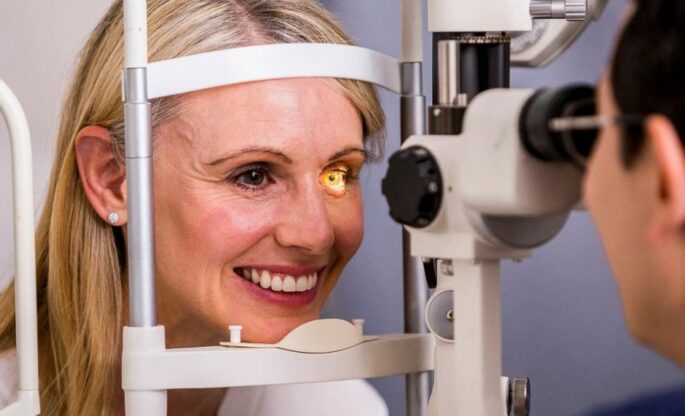
Beyond being the window to the soul, our eyes can provide valuable insights into our overall health. Optometrists play a crucial role not only in assessing vision and prescribing corrective measures but also in detecting various systemic diseases. Diabetes: Diabetes affects millions of people worldwide, and the eyes are particularly vulnerable to its effects. Optometrists […]
We are pleased to announce that as of 27 November 2023 our Dingley practice will be assuming the responsibility of eye care for all Brandon Optical patients.
Please find letter from Caroline & Ingrid, the owners of Brandon Optical below 

We are living in a world where technology is continually advancing and our ability as humans to innovate and improve quality of life knows no bounds. In the optometric, optical and eye world, this is no different, as our pursuit of “perfect” vision in glasses, contact lenses and from surgical interventions are constantly being upgraded. […]

We are all spending so much more time indoors and looking at things up close. Convergence is the coordinated movement of the eyes inward on close objects, including phones, tablets, computers and books. It is one of many vital visual skills learned early in life, as we begin to make sense of the world and […]

Happy 2021 everybody! On Christmas day, my son gave me an amazing gift. For anyone with experience with young children, especially toddlers, you may have a similar story to this one. My son was a bit too young to appreciate the spectacle of Christmas this year, but we wanted to create as many memories as […]

Well, the year 2020 has been a year unlike any other. As optometrist, we were all very excited to be ushering in the year 20/20, as the term commonly describes “good normal vision.” We have had anything but “normal” this year. And as we emerge out of lockdown and start to embrace a new COVID […]
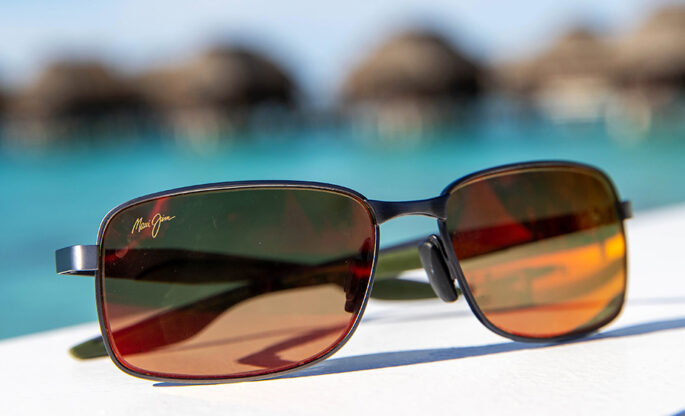
We are all aware how important it is to protect ourselves from the harsh Australian sun. We wear sunscreen to protect our skin from getting burned, hats to keep the sun off our faces and necks, umbrellas at the beach for shade, but what about our eyes? Most of us understand the importance of wearing […]