- Our Locations: Swan St Eye Centre - 03 9428 0402
- Dingley Eye Centre - 03 9551 4244
- Our Locations:
Swan St Eye Centre - 03 9428 0402 - Dingley Eye Centre - 03 9551 4244


One of the most common things we hear as optometrists is, “My vision is fine, so I don’t think I need an eye test.” It’s an understandable assumption. If you can read road signs clearly, recognise faces from a distance, and don’t feel like you’re struggling to see, it can seem like there is little reason to have your eyes examined.
However, good vision and good eye health are not the same thing.
Many of the most serious eye conditions develop silently, often without causing any noticeable symptoms in their early stages. Diseases such as glaucoma, macular degeneration, diabetic eye disease and retinal tears can all progress while your vision appears perfectly normal. By the time symptoms become obvious, some degree of permanent vision loss may already have occurred.
A comprehensive eye examination allows us to detect these conditions early, often years before you notice any changes in your sight. Early detection can make a significant difference to treatment outcomes and, in many cases, can prevent avoidable vision loss.
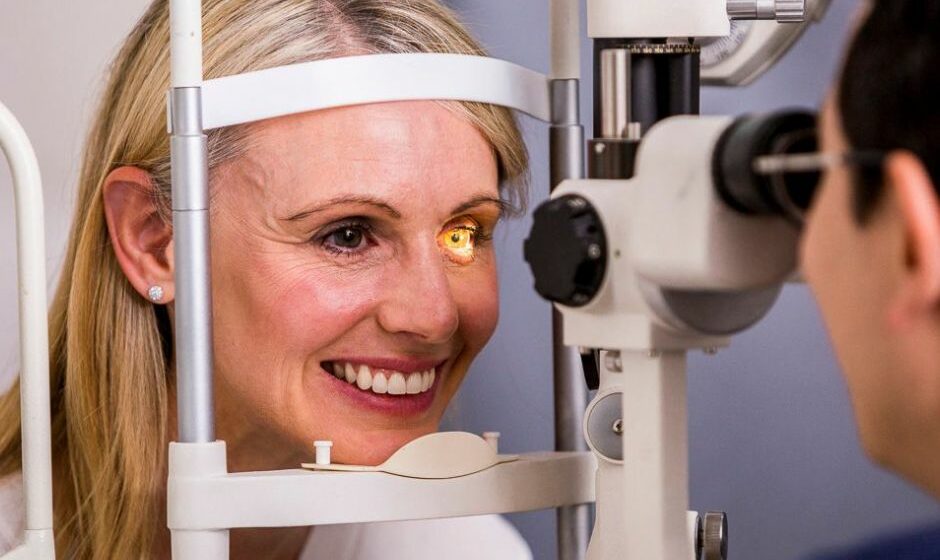
Eye examinations are also about much more than checking whether you need glasses. Modern optometry uses advanced imaging technology to assess the health of the retina, optic nerve and other structures inside the eye. These examinations can reveal signs of systemic health conditions such as diabetes, high blood pressure, high cholesterol and even certain neurological disorders. In some cases, an eye examination is the first indication that you may have an underlying health issue requiring medical attention.
Children also benefit enormously from regular eye examinations. A child may not realise their vision is reduced because they have never experienced anything different. Undetected vision problems can affect learning, concentration, reading development, sporting performance and confidence in the classroom. Early identification and management can have a lasting positive impact on a child’s educational journey.
Adults often experience gradual visual changes that occur so slowly they adapt without noticing. Frequent headaches, eye strain, tired eyes while using screens, or difficulty driving at night are often accepted as a normal part of life when they may actually indicate a correctable vision problem.
As our population ages, maintaining eye health becomes increasingly important. Conditions such as cataracts, glaucoma and macular degeneration become more common with age, making regular examinations essential for preserving independence, mobility and quality of life.
The reality is that sight is one of our most valuable senses. We rely on it every day for work, driving, reading, hobbies and spending time with the people we care about. Regular eye examinations are a simple and proactive way to protect that vision for the future.
So even if you have 20/20 vision, don’t assume your eyes are healthy. A comprehensive eye examination is about far more than how clearly you can see today; it’s about safeguarding your vision for years to come. Book an eye exam at our Richmond or Dingley practice today.
Yes. Conditions such as glaucoma and macular degeneration can progress without affecting how clearly you see, particularly in the early stages. A comprehensive eye exam checks the health of your eyes, not just your visual acuity.
Most adults should have a comprehensive eye exam every one to two years, even without vision problems, since many eye conditions have no early symptoms.
An eye exam can detect early signs of systemic conditions such as diabetes, high blood pressure and high cholesterol, since changes in the eye’s blood vessels and structures can reflect what’s happening elsewhere in the body.